
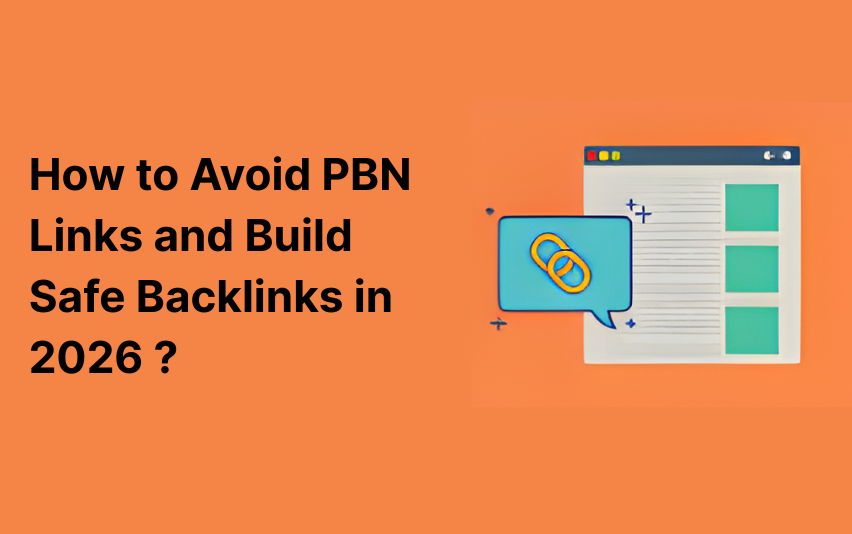
Search engines have become increasingly sophisticated at identifying unnatural backlink patterns. While shortcuts like private blog networks once appeared effective, they now carry significant long-term risks.
For brands focused on sustainable visibility, avoiding manipulative link schemes is essential. Search algorithms prioritize authenticity, relevance, and trust — not manufactured authority.
Understanding how to recognize and avoid harmful backlinks protects both rankings and reputation.
What Are PBN Links and Why They’re Risky
Private Blog Networks (PBNs) are groups of websites created primarily to manipulate search rankings through artificial backlinking.
They often appear legitimate but exist solely to pass authority signals.
Search engines increasingly detect these patterns, and association with such networks can result in:
- Ranking drops
- Manual penalties
- Deindexing risks
- Loss of domain trust
This is why learning to avoid PBN links has become a core SEO skill.
How Search Engines Identify PBN Networks
Modern algorithms analyze multiple signals to detect unnatural link ecosystems.
Common detection factors include:
- Shared hosting footprints
- Repeated linking patterns
- Thin or low-quality content
- Identical ownership signals
- Unnatural anchor distributions
As detection improves, risky link tactics become less effective — and more dangerous.
Signs a Website May Be Part of a PBN
Recognizing warning signs helps prevent harmful backlinks.
Look for:
- Generic or spun content
- Unrelated outbound links
- Minimal traffic
- No real audience engagement
- Over-optimized anchor text
- Suspicious domain histories
Safe SEO depends on evaluating link sources carefully.
Why Quality Backlinks Outperform Manipulative Links
Search engines reward relevance and credibility rather than volume alone.
The growth of safe link building strategies reflects a shift toward earning authority through genuine relationships and valuable content.
High-quality backlinks typically come from:
- Industry publications
- Niche blogs
- Editorial mentions
- Guest contributions
- Thought leadership content
Authentic links compound trust over time.
Sustainable Alternatives to PBN Link Building
Instead of relying on risky networks, focus on strategies aligned with search guidelines.
Effective approaches include:
- Guest posting on relevant sites
- Digital PR outreach
- Expert commentary
- Resource link creation
- Partnership collaborations
The evolution of white hat SEO backlinks demonstrates that ethical strategies often deliver stronger long-term results.
The Long-Term Cost of PBN Dependency
PBN links may produce short-term ranking spikes, but they create unstable authority foundations.
Once detected, penalties can erase months or years of SEO progress.
Recovery often requires:
- Link audits
- Disavow processes
- Reputation rebuilding
- Content restructuring
Avoidance is always easier than recovery.
How to Protect Your Website From Harmful Links
Preventive SEO practices reduce exposure to risky backlinks.
Best practices include:
- Vetting link partners carefully
- Monitoring backlink profiles
- Avoiding bulk link offers
- Prioritizing relevance
- Maintaining natural anchor diversity
Proactive management preserves search credibility.
Why Ethical Link Building Wins in the Long Run
Search engines continually refine their ability to detect manipulation.
As algorithms evolve, shortcuts lose effectiveness while authenticity gains value.
Websites that invest in trust-based authority typically achieve:
- Stable rankings
- Sustainable traffic
- Strong domain reputation
- Resilience to updates
Ethical SEO is not slower — it’s safer and stronger.
Why This Matters for Modern SEO
SEO has transitioned from technical manipulation toward reputation building.
Links now function less as signals of quantity and more as indicators of credibility.
Avoiding PBN links isn’t just about preventing penalties — it’s about building authority that lasts.
And durable authority compounds over time.
In an SEO landscape shaped by trust and authenticity, shortcuts rarely survive algorithm evolution.
Websites that prioritize relevance, credibility, and ethical link acquisition build authority that endures beyond updates and penalties.
Avoiding PBN links is not just a defensive strategy — it’s a commitment to sustainable growth.
Because in modern search…
Trust is the strongest ranking signal.