
US regulators have launched an investigation into claims that Meta may be able to access WhatsApp user messages, raising fresh concerns around privacy, data handling, and the effectiveness of end-to-end encryption. The probe has reignited debate over how much visibility parent companies have into the platforms they own.
The development comes amid growing global scrutiny of large technology companies and their data protection practices.
US Investigation Into WhatsApp Privacy Claims
The probe focuses on whether Meta, which owns WhatsApp, has any direct or indirect ability to access private user communications.
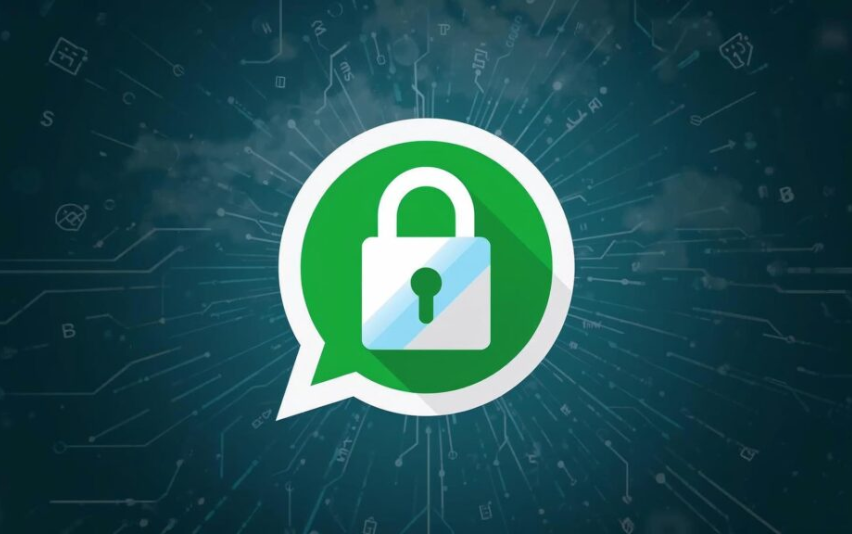
WhatsApp has consistently stated that its messages are protected by end-to-end encryption, meaning only the sender and recipient can read the content. However, regulators are examining whether system-level access, metadata collection, or backup mechanisms could expose user data beyond what is publicly disclosed.
What Triggered Regulatory Attention?
Regulatory interest reportedly emerged following claims that certain technical processes or integrations could allow Meta limited insight into WhatsApp communications. While no wrongdoing has been established, the investigation aims to clarify:
- How WhatsApp’s encryption is implemented
- Whether Meta can technically access message content
- What types of data are shared within Meta’s ecosystem
This scrutiny reflects broader concerns around WhatsApp message privacy and transparency in large digital platforms.
WhatsApp Encryption and Meta’s Position
WhatsApp uses end-to-end encryption by default, a feature it promotes as a core privacy guarantee. According to the company:
- Message content is not readable by Meta
- Encryption keys are not centrally stored
- Messages are not used for advertising purposes
However, critics argue that metadata, cloud backups, or internal tools may still raise questions about Meta WhatsApp data access, even if message content remains encrypted.
Why Privacy and Encryption Are Under Scrutiny
User privacy has become a central issue for regulators worldwide. Messaging platforms play a critical role in personal, professional, and business communication, making trust essential.
The WhatsApp privacy investigation highlights:
- Increasing regulatory oversight in the US
- Growing demand for transparency from tech companies
- Public concern over how personal data is handled
Such probes can influence future compliance standards across the industry.
Possible Impact on Users and the Tech Industry
If regulators identify gaps in transparency or compliance, Meta could face:
- Regulatory directives or penalties
- Increased reporting obligations
- Pressure to revise data-handling disclosures
For users, the outcome may result in clearer privacy explanations and stronger safeguards. The investigation could also set benchmarks for how encrypted messaging platforms are regulated going forward.
Why This Development Matters
This probe underscores the tension between platform ownership and user privacy. As regulators demand greater accountability, technology companies may be required to prove—rather than promise—that private communications remain secure.
The findings could influence public trust in messaging apps and shape future privacy standards across the digital ecosystem.
Frequently Asked Questions (FAQ)
Can Meta read WhatsApp messages?
WhatsApp states that messages are end-to-end encrypted and cannot be read by Meta.
Why are US regulators investigating Meta?
Authorities are examining claims related to potential access to WhatsApp data and encryption practices.
Does this mean WhatsApp is unsafe?
There is no confirmation that WhatsApp messages are compromised; the investigation is ongoing.
What data does Meta access from WhatsApp?
According to Meta, only limited metadata is accessible, not message content.
Will this investigation affect WhatsApp users?
It may lead to improved transparency and stronger privacy safeguards.
As regulatory scrutiny intensifies, investigations like this serve as a reminder that privacy assurances must be backed by verifiable safeguards. The outcome of the US probe could play a key role in defining how encrypted messaging platforms are governed in the future.