
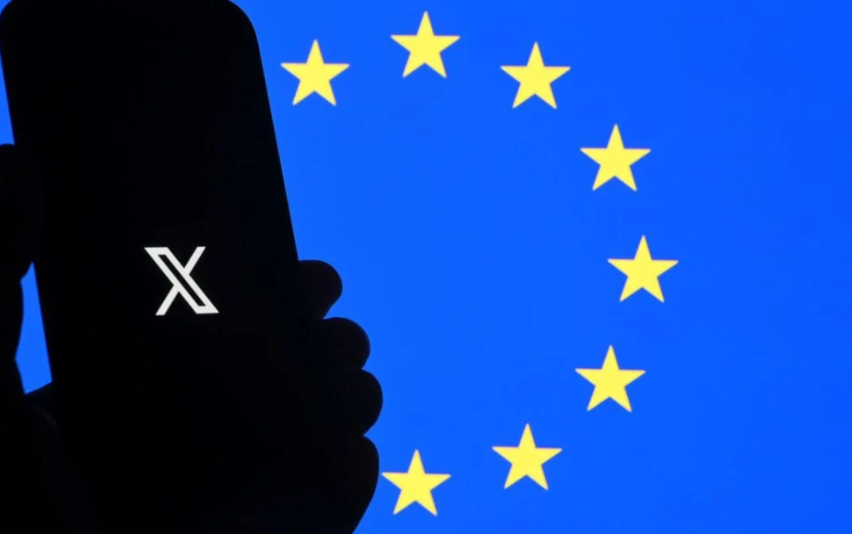
Global social media platform X has formally appealed a €141 million fine imposed by European regulators under the Digital Services Act (DSA), intensifying tensions between major technology companies and the European Union’s expanding digital governance framework.
The case highlights the growing regulatory scrutiny faced by large online platforms regarding content moderation, transparency, and user protection standards. As Europe strengthens digital regulation, disputes between regulators and platforms are becoming increasingly prominent.
Why the Digital Services Act Matters
The Digital Services Act is a major European Union regulation designed to hold online platforms accountable for user safety, transparency, and content governance. It applies particularly to large platforms with significant user reach.
Key DSA objectives include:
- Safer online environments
- Transparent algorithms
- Content moderation accountability
- User protection measures
- Platform responsibility
The regulation represents a shift toward stronger digital oversight.
Reasons Behind the EU Fine
Regulators impose penalties under the DSA when platforms fail to meet compliance obligations. While specific case details vary, enforcement typically involves areas such as:
- Content moderation transparency
- Risk mitigation reporting
- Illegal content handling
- Platform governance
- Data access requirements
The dispute underscores challenges in aligning global platforms with regional rules.
The Broader Context of EU Tech Regulation
Europe has become a global leader in technology regulation. The expansion of EU tech regulation reflects increasing efforts to control platform influence and protect digital users.
Key regulatory priorities include:
- Platform accountability
- Data protection
- Competition fairness
- Algorithm transparency
- User rights
Such policies influence global tech governance standards.
How Social Platforms Respond to Regulation
Large technology platforms often challenge regulatory decisions they consider excessive or unclear. Appeals allow companies to contest enforcement interpretations and financial penalties.
The rise of social media regulation globally means platforms must navigate complex legal frameworks across regions.
Common industry concerns include:
- Regulatory scope clarity
- Compliance feasibility
- Operational costs
- Jurisdiction conflicts
- Innovation impact
Regulatory alignment remains complex.
Impact on Global Technology Companies
The DSA and similar laws affect how platforms operate worldwide. Companies must adapt policies, moderation systems, and transparency mechanisms to meet regulatory expectations.
Consequences include:
- Compliance investments
- Policy adjustments
- Reporting obligations
- Legal challenges
- Operational restructuring
Regulation increasingly shapes platform strategy.
Why This Appeal Matters
The appeal signals resistance from major platforms against strict enforcement measures. Legal outcomes may influence:
- Future DSA enforcement
- Platform obligations
- Regulatory interpretation
- Global compliance standards
- Industry-regulator relations
Such cases shape digital governance evolution.
The Future of Platform Regulation
As digital platforms grow in influence, governments worldwide are expanding oversight frameworks. Future regulatory trends may include:
- Stronger algorithm audits
- Cross-border enforcement
- Transparency mandates
- Platform liability rules
- User protection standards
The EU continues leading regulatory development.
Why This Issue Is Significant
The conflict between X and EU regulators reflects a broader global debate: how to balance platform freedom with user protection. As digital ecosystems expand, regulatory frameworks will continue shaping platform operations and responsibilities.
The DSA represents a foundational shift toward accountable digital platforms.
Frequently Asked Questions
What is the Digital Services Act?
The Digital Services Act is a European Union regulation that sets rules for online platforms regarding content moderation, transparency, and user protection.
Why did the EU fine X?
Regulators imposed the fine under DSA compliance requirements related to platform governance, transparency, or user safety obligations.
What is EU tech regulation?
EU tech regulation refers to laws governing digital platforms, data protection, competition, and online safety within the European Union.
How does social media regulation affect platforms?
Social media regulation requires platforms to meet standards for content moderation, transparency, and user protection, influencing operations and policies.
Can X overturn the EU fine?
Through legal appeal, the company can challenge the penalty. Outcomes depend on judicial review of regulatory interpretation and compliance requirements.
X’s appeal against the €141 million EU fine underscores the growing tension between global technology platforms and regional regulatory authorities. As the Digital Services Act reshapes online governance expectations, platforms face increasing pressure to meet transparency and safety standards.
The outcome of this dispute may influence future enforcement approaches and define how social platforms adapt to regulatory frameworks worldwide. In the evolving digital landscape, compliance is becoming as critical as innovation.
The era of unregulated platforms is ending.
And digital governance is entering a new phase.