

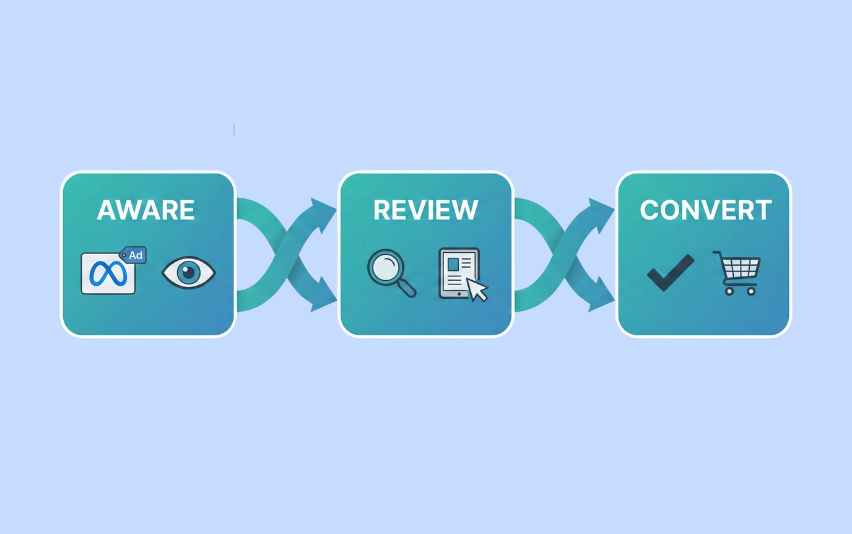
Digital advertising continues to evolve as companies demand more accurate insights into campaign performance. In its latest update, Meta Platforms has introduced improvements to its advertising measurement and attribution system, aiming to provide marketers with deeper visibility into how their campaigns perform across different channels.
The update reflects Meta’s broader effort to strengthen transparency, data reliability, and performance tracking for businesses running ads on platforms such as Facebook and Instagram. With privacy regulations and data limitations affecting digital marketing analytics, the company is investing in advanced measurement tools that help advertisers make more informed decisions.
Why Meta Is Updating Its Advertising Measurement System
Modern digital marketing requires reliable analytics that show how users interact with ads across platforms and devices. To address this need, Meta has enhanced Meta ad measurement capabilities with improved attribution modeling and reporting features.
These updates aim to provide advertisers with a clearer understanding of the customer journey.
Key improvements include:
- Enhanced conversion tracking
- Cross-platform performance insights
- Privacy-safe data modeling
- Improved campaign reporting
- More accurate attribution analysis
Such enhancements help marketers understand which campaigns generate real business results.
The Role of Attribution in Digital Advertising
Attribution is a critical component of marketing analytics because it helps businesses determine which advertising efforts influence conversions. With Meta’s updated system, advertisers can gain better insights into how users interact with ads before making purchasing decisions.
The growing focus on digital advertising attribution reflects the industry’s shift toward more data-driven marketing strategies.
Benefits of advanced attribution models include:
- Clearer conversion tracking
- Improved campaign optimization
- Better budget allocation
- Stronger ROI analysis
- Accurate marketing insights
For businesses investing heavily in online campaigns, reliable attribution data is essential.
What This Means for Advertisers
Meta’s new tools allow advertisers to evaluate performance across multiple touchpoints. The system is designed to analyze interactions across mobile apps, websites, and social media environments.
The rise of social media advertising analytics demonstrates how platforms are moving toward deeper insights rather than simple impression-based metrics.
Advertisers may now gain:
- More accurate campaign measurement
- Better understanding of user behavior
- Improved audience targeting strategies
- Data-driven campaign optimization
- Clearer attribution reports
These capabilities enable brands to refine strategies and maximize ad performance.
Ad Measurement in a Privacy-Focused World
The digital advertising ecosystem is rapidly adapting to stricter privacy standards. Changes such as reduced third-party cookies and stricter data policies have forced platforms to rethink how they measure ad effectiveness.
Meta’s updated measurement tools rely more on aggregated data and privacy-safe modeling techniques, allowing marketers to maintain insights without compromising user privacy.
This balance between analytics and privacy is becoming a key focus for the future of digital advertising.
Why This Update Matters for the Marketing Industry
As digital marketing becomes increasingly competitive, advertisers require more reliable performance insights. Meta’s improvements demonstrate how major technology platforms are investing in advanced analytics to support businesses worldwide.
Better measurement tools help marketers understand audience behavior, optimize campaigns, and achieve stronger returns on advertising investment.
For brands relying on social media advertising, these improvements could significantly influence campaign strategy and marketing outcomes.
Frequently Asked Questions
What is Meta ad measurement?
Meta ad measurement refers to tools and analytics used by Meta platforms to track how advertising campaigns perform and influence user actions.
What is digital advertising attribution?
Digital advertising attribution is the process of identifying which ads or marketing channels contribute to conversions or sales.
Why are social media advertising analytics important?
Social media advertising analytics help businesses understand audience behavior, campaign effectiveness, and overall marketing performance.
How does Meta’s update benefit advertisers?
It provides better reporting tools, improved attribution modeling, and more accurate campaign performance insights.
Will these changes affect advertisers’ privacy compliance?
Yes. The updated system focuses on privacy-safe measurement techniques while still offering meaningful performance insights.
Meta’s update to its advertising measurement and attribution system highlights the growing importance of accurate marketing analytics. As privacy regulations reshape the digital landscape, platforms must develop innovative ways to measure performance without compromising user trust.
With improved attribution models and analytics tools, advertisers can gain deeper insights into campaign performance and customer behavior. For businesses relying on social media marketing, these updates could play a crucial role in improving campaign strategy and maximizing return on investment.